Weeks before The Dream, I dropped out of college. It was the summer of 1976.
I was a third-year art major at East Carolina University when I decided to move to New York and rent an apartment with my best friend from college in Roslyn on Long Island.
My Ford Club Wagon was packed, and I planned to leave Jacksonville, North Carolina early the next morning.
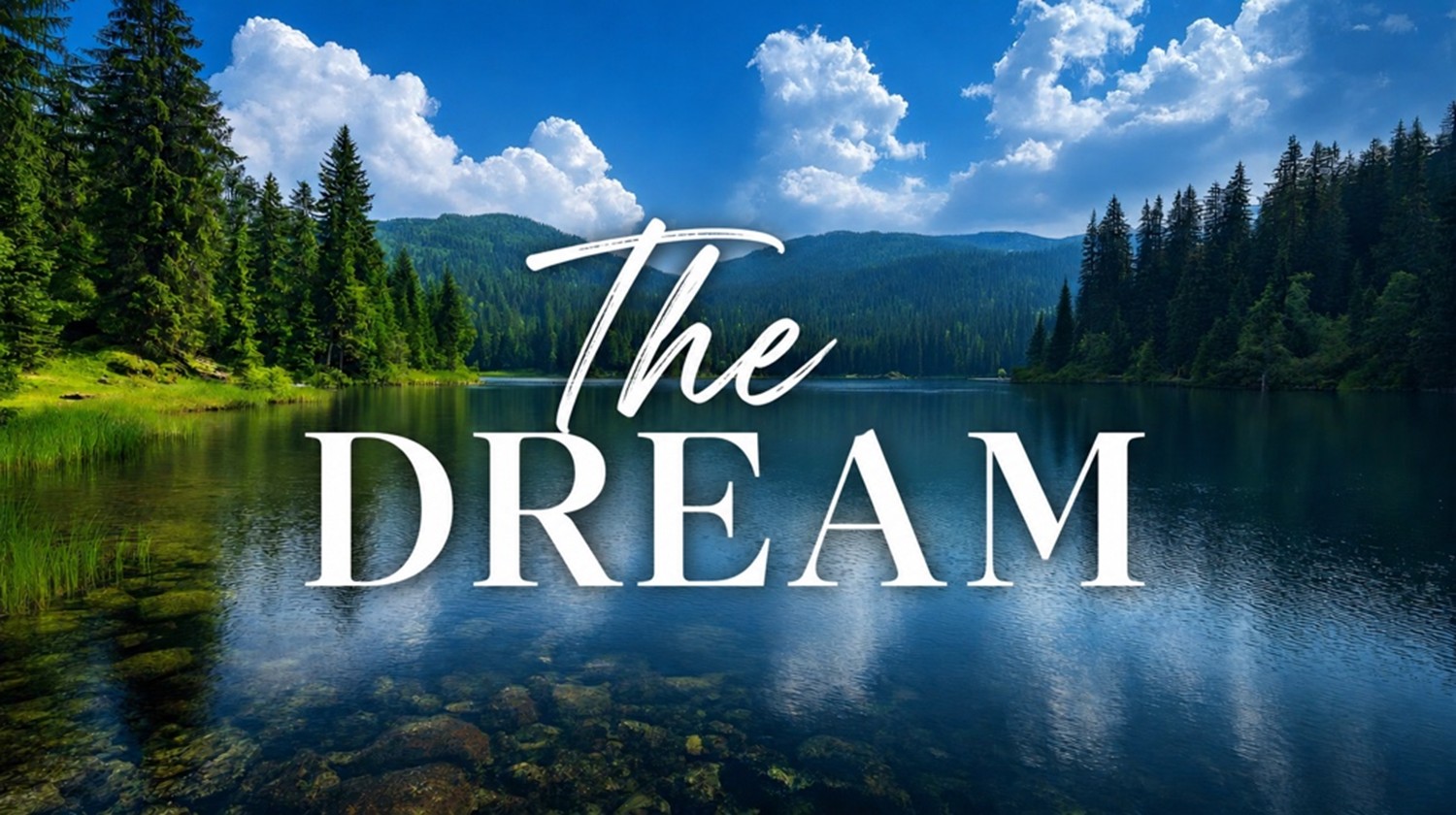
That night, I had a dream.
I was standing at the edge of a wide lake.
I knew I needed to get to the other side.
That part was clear.
What wasn’t clear was how.
There were only two ways across.
I could swim straight through the water—faster, more direct, but risky and exhausting.
Or I could walk the shoreline. It would take longer, but it felt steadier. Safer. It would give me time to notice where I was going.
In the dream, the choice felt surprisingly important.
I chose to walk.
The dream ended before I reached the other side.
There was no confirmation I’d made the right decision.
No dramatic ending.
No voice explaining what it all meant.
Just the choice.
The next morning, I drove to New York.
I’ve thought about that dream many times over the years.
Not because I believe dreams predict the future.
But because they sometimes reveal something we’re only able to understand later.
Looking back, I can see that I’ve rarely chosen the fastest path.
I left a successful business to begin again.
I spent years writing stories before The Crayon Box That Talked found its readers.
I helped create educational television, developed Big Word Club, and eventually founded The Thought Farm.
None of those journeys were shortcuts.
Most took far longer than I expected.
There were times I wondered if I’d made the wrong choice.
Somewhere along the way, I realized I’d been walking that shoreline all along.
I’m no longer convinced life always rewards the quickest path.
Sometimes the longer road gives us something speed never can.
Time to grow.
Time to learn.
Time to become someone we couldn’t have become any other way.
Most of the decisions that shape our lives don’t feel extraordinary when we make them.
They feel ordinary.
It’s only years later that we realize we were standing at the edge of a lake.
And the choice was never simply how to get across.
It was who we were becoming.